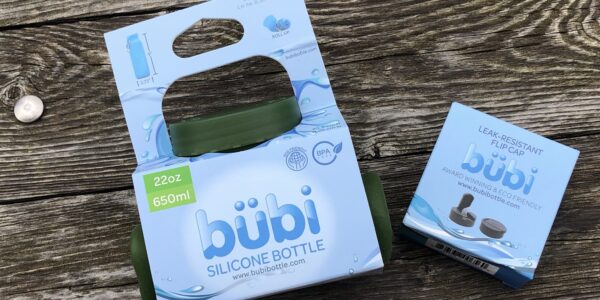
We had the chance to check out the Bübi bottle, a silicone, collapsible water bottle and to be honest, we weren’t sure what to think about testing a water bottle. Little did we know! The different water bottle We have the olive drab 22 oz bottle with their flip-top lid. To start, the packaging is […]
Left-hand of Second Pair of Featured Articles

ExtremeTerrain Giving Away a Lift Kit!
Right-Hand of the Second Pair of Featured Articles
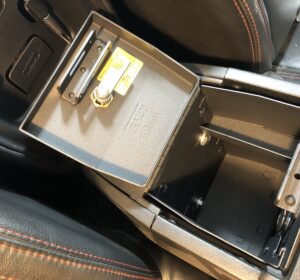
Tuffy JK Console Security Safe Install
ADDITIONAL RECENT POSTS
ExtremeTerrain 2018 Jeep Wrangler JLU Build – New video
Jeep authority ExtremeTerrain (XT) unveiled another video in their ongoing “Customer Builds” YouTube series. The new episode shines a spotlight on a trail-ready 2018 Jeep Wrangler JLU with a 2-inch lift and 35-inch tires. Hosted by XT’s Merideth Evasew, the virtual interview delivers ideas and inspiration in a format that’s relaxed and informative. Jeep owners […]

Silver Lake Sand Dunes – Michigan – cool photos
Just had to share some new photos from a great evening at the Silver Lake Sand Dunes in Michigan. The sun was setting and the wind blowing to smooth out the sand.
Warn Industries’ New HUB Receiver & App Lets Users Operate Their Winch With a Smart Phone
System uses Bluetooth technology to control the winch; provide user feedback Clackamas, OR (9/10/20) – Warn Industries is ready to debut an all-new, innovative way to control a truck or powersports winch using a smart device: introducing the WARN® HUB Receiver and App. This high-tech, highly durable wireless system allows users to control their truck […]

AEV JT350/370 Gladiator – Now Available
BUILD AND PRICE YOURS With variety of options, upgrades and wheel choices available, you can further customize your AEV JT350/370 Gladiator package to truly suit your individual style and needs. Visit the AEV Build page JT350 STARTING AT $10,500.00 STANDARD CONTENT AEV 2″ Suspension System with Control Arm Brackets AEV 7000 Series LED Off-Road Lights […]